Pest control Glasgow
Mole, Squirrel & Fox ControlAcross Glasgow; Humane,Lawful & Proofed Afterwards
Grey squirrels out of the loft and the roofline sealed, moles cleared from lawns, pitches and grounds, problem foxes managed lawfully, so the space is not simply re-occupied next month.
Wildlife work across Glasgow and beyond. IPAF, CSCS, SSSTS and RSPH accredited, fully insured.
Accredited
IPAF, CSCS, SSSTS and RSPH
24/7
Phone answered around the clock
£5m / £10m
Public, product and employers liability cover
IPAF · CSCS · SSSTS · RSPH
Accredited technicians
Same day
Attendance wherever the diary allows
Wildlife problems need judgement rather than a standard product. A grey squirrel in a loft chews cabling and roofline timber and creates a genuine fire risk. Moles wreck lawns, pitches, greens and estate grounds within days. Foxes cause fouling, digging, noise and damage around commercial yards, gardens and bin areas.
Titan handles each humanely and lawfully, and, as with everything we do, the job does not end at the removal. Roofline repairs and proofing keep squirrels out permanently, and grounds work is planned so the same runs are not simply recolonised.
What wildlife management involves
A site survey to confirm the species, the extent of activity and the access route or run system. For squirrels that means the roofline: soffits, fascias, verges, slipped slates, vents and the gap at the wall plate. For moles it means reading the run system rather than treating individual hills. For foxes it means identifying harbourage, feeding sources and access.
Control is then carried out appropriately for the species and setting, followed by the physical work, roofline repair, proofing, harbourage removal, that stops it recurring.
Who it is for
Homeowners with movement in the loft, factors and landlords with roofline damage across a block, schools, sports grounds, golf courses and estates with mole damage, and commercial premises with fox activity around yards, bins and storage areas.
When to call
Squirrel activity should be dealt with immediately because of the cabling and fire risk, and before the roofline damage widens. Mole activity is easiest to control while the run system is still limited. Fox problems are best addressed before earths become established.
Why professional help matters
Wildlife control is governed by law, and the wrong method is both ineffective and potentially an offence. Blocking a loft entry with an animal still inside causes damage and distress. Flattening mole hills achieves nothing. Professional work covers the legal position, the humane method and the structural fix in one piece of work.
Signs to look for
- Heavy scurrying or rolling sounds in the loft by day
- Chewed cabling, insulation or roofline timber
- Fresh mole hills appearing across a lawn, pitch or green
- Raised surface runs and soft, collapsing ground
- Fox fouling, digging, disturbed bins or night-time noise
- Damaged soffits, fascias, verges or vents at roof level
What happens if it is left
Fire risk from chewed cabling
Grey squirrels gnaw constantly and loft cabling is an easy target. It is the most serious consequence of leaving a squirrel in a roof space.
Roofline and insulation damage
Squirrels enlarge entry points, damage soffits and fascias and compact or shred insulation, all of which cost more to repair the longer they stay.
Ground and turf damage
Mole runs collapse under foot and machinery, ruining lawns, pitches and greens and creating trip and mower damage risk.
Fox fouling and disruption
Fouling around entrances, digging in grounds and raided bins create hygiene, safety and reputational problems for commercial sites.
Recolonisation
An unproofed roofline or an untreated run system is simply an invitation to the next animal. Removal without proofing is a temporary result.
Common mistakes we are called in to undo
- - Blocking a loft entry point while an animal is still inside
- - Assuming the noise is birds when it is a squirrel widening the gap
- - Flattening mole hills instead of dealing with the run system
- - Feeding foxes, or leaving accessible waste, then paying to control them
- - Using methods that are unlawful, inhumane or both
- - Removing the animal and skipping the roofline repair
Our mole, squirrel & fox control process
Step 1: Inspection
Site survey to confirm the species, map the activity and identify the access route, run system or harbourage.
Step 2: Diagnosis
The lawful, humane method appropriate to the species and setting is selected and explained, with the price agreed before work begins.
Step 3: Control
Carried out humanely and lawfully, with squirrel work planned so that animals are not sealed inside a roof space.
Step 4: Verification
Activity is checked across follow-up visits until the site is clear, rather than the job being closed on a single quiet day.
Step 5: Proofing and completion
Roofline repairs and proofing, harbourage removal and practical grounds advice, so the space is not re-occupied.
What you get from Titan
Lawful and humane
Methods chosen to be appropriate, lawful and humane for the species and the setting.
The structural fix included
Roofline repair and proofing is part of squirrel work, which is what makes the result permanent.
Safe working at height
IPAF, CSCS and SSSTS accredited operatives with the right access equipment for roofline work.
Grounds and estate capability
Moles on pitches, greens, estates and commercial landscaping handled as well as private gardens.
Cost savings
Early action avoids rewiring, roofline replacement and turf reinstatement costs.
Fully insured
£5m public liability, £5m product liability and £10m employers liability cover.
Mole, Squirrel & Fox Control in detail
Grey squirrels in roof voids
Squirrels typically enter at the roofline: gaps at the wall plate, damaged or open soffits and fascias, slipped or missing slates, unprotected verges and open vents. Activity is loudest in daylight, which is the clearest way to distinguish squirrels from rats.
The permanent answer is repair and proofing of the roofline in the same piece of work as the control, mesh to vents, repair to soffits and fascias, and closure of the access gaps with materials that will hold, carried out with proper access equipment.
Moles on lawns, pitches and grounds
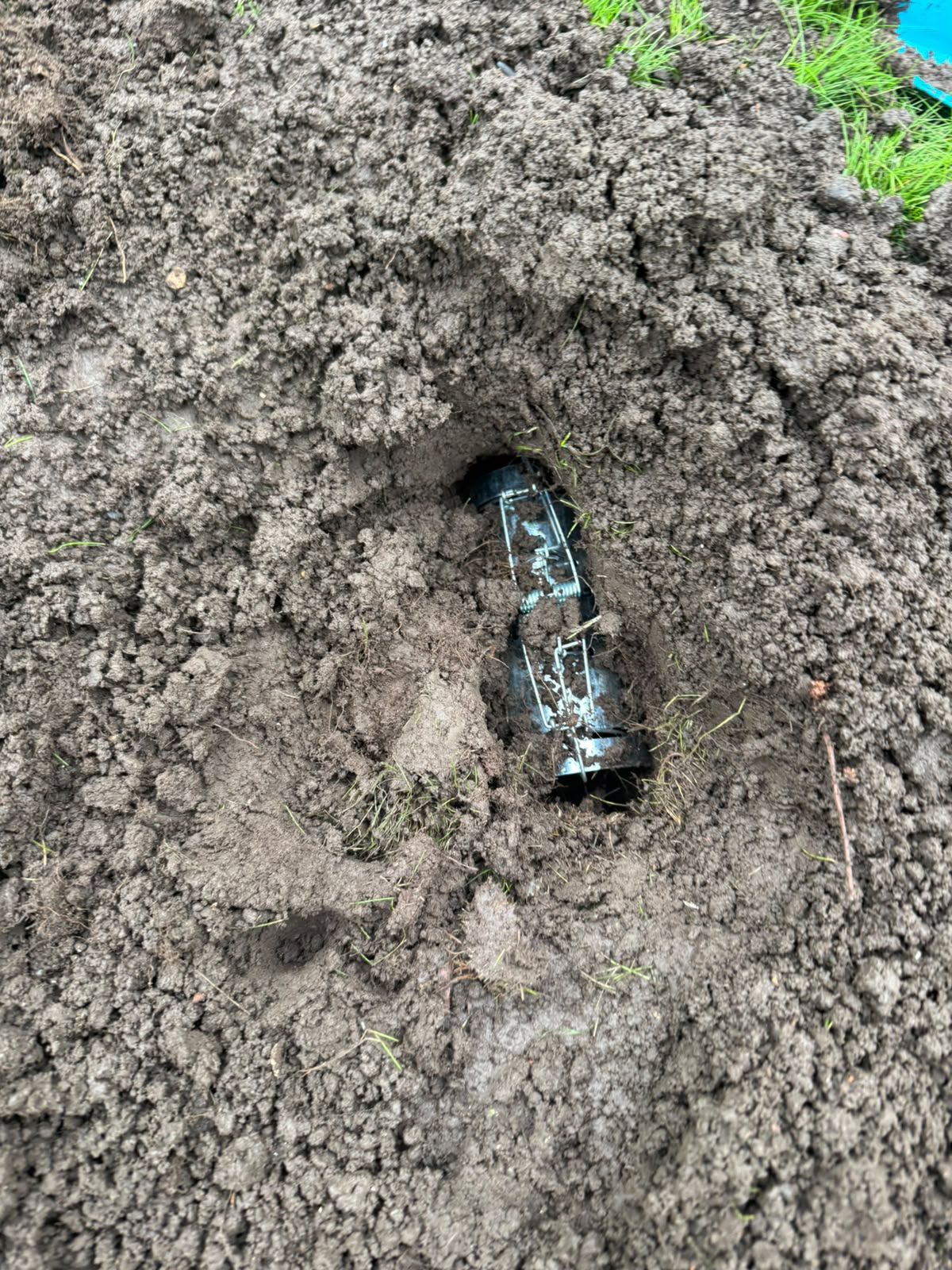
Mole damage is a run-system problem, not a hill problem. Control is based on reading the runs and working the active tunnels, and on large grounds it is planned across the whole area rather than the visible corner. Sports pitches, greens, schools and estates all get the same approach, scheduled around use of the ground.
Problem foxes
Fox work starts with the harbourage and the food source: accessible waste, open storage, decking and undergrowth. Control is lawful and appropriate to the site, and the follow-up work, proofing under decking and outbuildings, securing bin areas, is what prevents the site being re-occupied.
Residential versus commercial
Domestic work is usually a loft squirrel job or a garden mole job with proofing and tidy reinstatement. Commercial and estate work adds risk assessment, scheduling around site operations, grounds-wide planning and written records.
Coverage
Glasgow and roughly a 20-mile radius, including Paisley, East Kilbride, Hamilton, Motherwell, Coatbridge, Cumbernauld, Clydebank and Bearsden.
How we work on every job
- Site survey to confirm the species and the access route
- Humane, lawful control appropriate to the situation
- Entry points traced, sealed and proofed
- Roofline repairs to keep squirrels out permanently
- Grounds and estate work for commercial clients
Mole, Squirrel & Fox Control in your area
We cover Glasgow and roughly a 20-mile radius, including Bearsden, East Kilbride, Cumbernauld. See every town on our service areas page, or read more about Titan Pest Control.
Mole, Squirrel & Fox Control FAQs
How much does squirrel or mole control cost?
It depends on the site, the extent of activity and how much proofing or roofline repair is needed. Every job is surveyed and priced before work starts.
How do I know if it is squirrels or rats in my loft?
Squirrels are heavier, noisier and active in daylight; rats are lighter and mostly nocturnal. The survey confirms it, because the control method and the proofing work differ.
Can squirrels be removed without damaging the loft?
Yes. The important step afterwards is sealing the roofline so the loft is not reoccupied, because removal without proofing gives you the same problem again.
How long does mole control take?
It depends on the size of the ground and the extent of the run system. Small gardens are usually resolved quickly; pitches, greens and estates are planned across a series of visits.
Is the work humane and legal?
Yes. Methods are selected to be lawful and humane for the species and setting, and we will explain what is being done and why before starting.
Do you handle mole problems on sports grounds?
Yes, for grounds, estates, pitches and commercial landscaping as well as private gardens, scheduled around use of the ground.
Can you deal with foxes on a commercial yard?
Yes, including the harbourage and waste-access work that stops the site being re-occupied after control.
Do you carry out the roofline repairs yourselves?
Yes. Proofing and roofline work is carried out by our own IPAF, CSCS and SSSTS accredited operatives as part of the job.
Can you attend quickly?
The phone is answered 24/7 and we attend the same day wherever the diary allows, worth doing promptly where cabling is being chewed.
Get the wildlife out and the roofline sealed
Tell us what you are hearing or seeing and where, and we will survey the site and price the control and the proofing together.
Phone answered around the clock · Glasgow and roughly a 20-mile radius · fully insured, accredited technicians.
Related services
Bird Control & Wildlife Management
Our specialist line. Free bird netting surveys, systems specified to the structure and installed by accredited operatives, so pigeons and gulls are off your building permanently rather than moved along for a season.
View serviceRat Control
One call, a technician on site the same day wherever the diary allows, the colony dealt with and every route they used sealed behind us, so you pay once instead of paying every few months.
View serviceBird Fouling Clearances
Guano is a biohazard, not a cleaning job. We clear it under proper controls, disinfect the area and specify proofing at the same time, so the surface stays clean instead of refilling.
View serviceLooking for something else? See all 9 services or contact Titan Pest Control.