
Pest control Glasgow
Insect & Wasp Controlin Glasgow; Nests Removed,Infestations Cleared
Wasp nests treated at the nest, fleas, beetles and clothes moths cleared properly, usually the same day in season, so the problem ends this week rather than dragging through the summer.
Treating insect infestations across Glasgow. IPAF accredited for nests at height, answered 24/7.
Accredited
IPAF, CSCS, SSSTS and RSPH
24/7
Phone answered around the clock
£5m / £10m
Public, product and employers liability cover
IPAF · CSCS · SSSTS · RSPH
Accredited technicians
Same day
Attendance wherever the diary allows
Wasp nests are the summer emergency. In a loft, soffit, wall cavity or air brick they are dangerous to disturb, and a nest that has been prodded, sprayed or partially blocked becomes far more aggressive than one left alone. Alongside wasps, Titan treats fleas, Dermestes beetles and common clothes moths in homes and commercial premises across Glasgow.
Every treatment starts with identifying the species, because the correct product, placement and preparation differ enormously between a wasp nest in a soffit, a flea infestation after a pet has moved out and a clothes moth problem in stored textiles.
What the service covers
Wasp nest treatment and removal in lofts, soffits, cavities, air bricks, sheds, garages and commercial rooflines. Flea treatment following pet infestations or vacated tenancies. Dermestes beetle treatment in lofts, bird-fouled voids and food premises. Clothes moth treatment for carpets, wool and stored textiles.
Where a nest or insect harbourage is at height or in a plant area, the work is carried out by IPAF, CSCS and SSSTS accredited operatives with appropriate access equipment.
Who it is for
Homeowners with a nest over a doorway or in a child's bedroom ceiling void, landlords turning around a flea-infested tenancy, hotels and HMOs with moth or beetle problems, and commercial premises where insect activity threatens stock, comfort or compliance.
When to call
Call the moment you see wasps repeatedly entering a single point on the building, as soon as bites appear around ankles, or as soon as damage shows in wool carpets or stored clothing. Wasp nests in particular grow through the season, so a nest treated in June is a far smaller job than the same nest in September.
Why professional treatment matters
Aerosol cans sold for wasp nests reach the outside of the nest and provoke the colony. Flea treatments fail when the property has not been prepared, because the pupal stage survives almost anything and hatches days later. Moth infestations return when only the visible adults are targeted. Professional treatment deals with the life cycle, not the insects you can see.
Signs to look for
- Wasps repeatedly entering a roofline, soffit or air brick
- A visible papery nest in a loft, shed or eaves
- Bites around the ankles, typical of cat fleas
- Damage to wool carpets, clothing or stored textiles
- Larvae, cast skins or frass in cupboards and store rooms
- Insect activity concentrated around a single void or room
What happens if it is left
Stings and liability
An active nest near a door, garden or workplace entrance is a genuine risk, particularly for anyone with an allergy. For businesses it is also a duty-of-care problem.
Nests get bigger and more defensive
A wasp colony grows all season. Late-season nests hold far more insects, and disturbed colonies become aggressive quickly.
Fleas spread through the property
Flea pupae sit dormant in carpets and floor gaps and hatch in response to vibration. Untreated, an empty property can ambush the next occupant weeks later.
Textile and stock damage
Clothes moth larvae ruin wool carpets, suits and stored fabrics, and Dermestes beetles damage stored products and contaminate food premises.
Secondary problems
Beetle infestations frequently trace back to bird fouling or a dead bird or rodent in a void, so treating the insects without finding the source guarantees a repeat.
Common mistakes we are called in to undo
- - Spraying or blocking a wasp nest entrance, which makes the colony aggressive
- - Treating a nest from a ladder without proper access equipment
- - Vacuuming and shampooing carpets and assuming the fleas are gone
- - Skipping the preparation list before a flea treatment, so it fails
- - Treating clothes moths in one wardrobe while the carpet edges stay untreated
- - Ignoring a beetle infestation instead of finding the bird nest or carcass feeding it
Our insect control process
Step 1: Inspection
We identify the species and locate the nest, harbourage or source, including the voids, roof spaces and floor edges people rarely check.
Step 2: Diagnosis
The correct product and method are chosen for the species and setting, and where preparation is needed from you we explain exactly what to do and why.
Step 3: Treatment
Wasp nests are treated at the nest rather than at the symptoms. Fleas, beetles and moths are treated across the full harbourage area, not just the visible spot.
Step 4: Verification
We confirm the result, advise what is normal in the days after treatment, and return where the life cycle of the insect makes a second visit sensible.
Step 5: Proofing and completion
Where the entry point or source can be closed, an open air brick, a fouled void, a bird nest in a soffit, we deal with it so the same infestation does not re-establish.
What you get from Titan
Speed
Wasp nests are usually dealt with the same day in season. Answered 24/7 for genuine emergencies.
Safety
Nests at height are treated with proper access equipment by IPAF, CSCS and SSSTS accredited operatives, under £5m public liability cover.
Treatments that work first time
Correct species identification and clear preparation advice are the two things that decide whether a flea or moth treatment succeeds.
Source removal
Beetle and moth problems are traced to their source rather than fogged and forgotten.
Cost savings
Early nest treatment is cheaper than a late-season colony, and successful first-time flea treatment avoids repeat visits.
Peace of mind
You get clear aftercare advice so you know what is normal in the days following treatment.
Insect Control in detail
Wasp nest treatment in detail
Common wasps nest in lofts, soffits, wall cavities, air bricks, sheds, garages, bin stores and under decking. Treatment is applied directly at the nest entrance so returning foragers carry it into the colony. Activity usually drops within hours and ceases over the following day or two, and increased activity immediately after treatment is normal.
Nests in occupied ceiling voids and at roof level are treated with appropriate access equipment. Where a nest is in a position that will be reused, a soffit gap, an open air brick, proofing after treatment prevents the same spot being colonised next season.
Fleas, beetles and moths
Cat fleas are the usual culprit in homes and vacated tenancies. Treatment covers floor edges, carpets, soft furnishings and pet resting areas, and depends heavily on the preparation done beforehand: thorough vacuuming, hot washing of bedding and clear floor access.
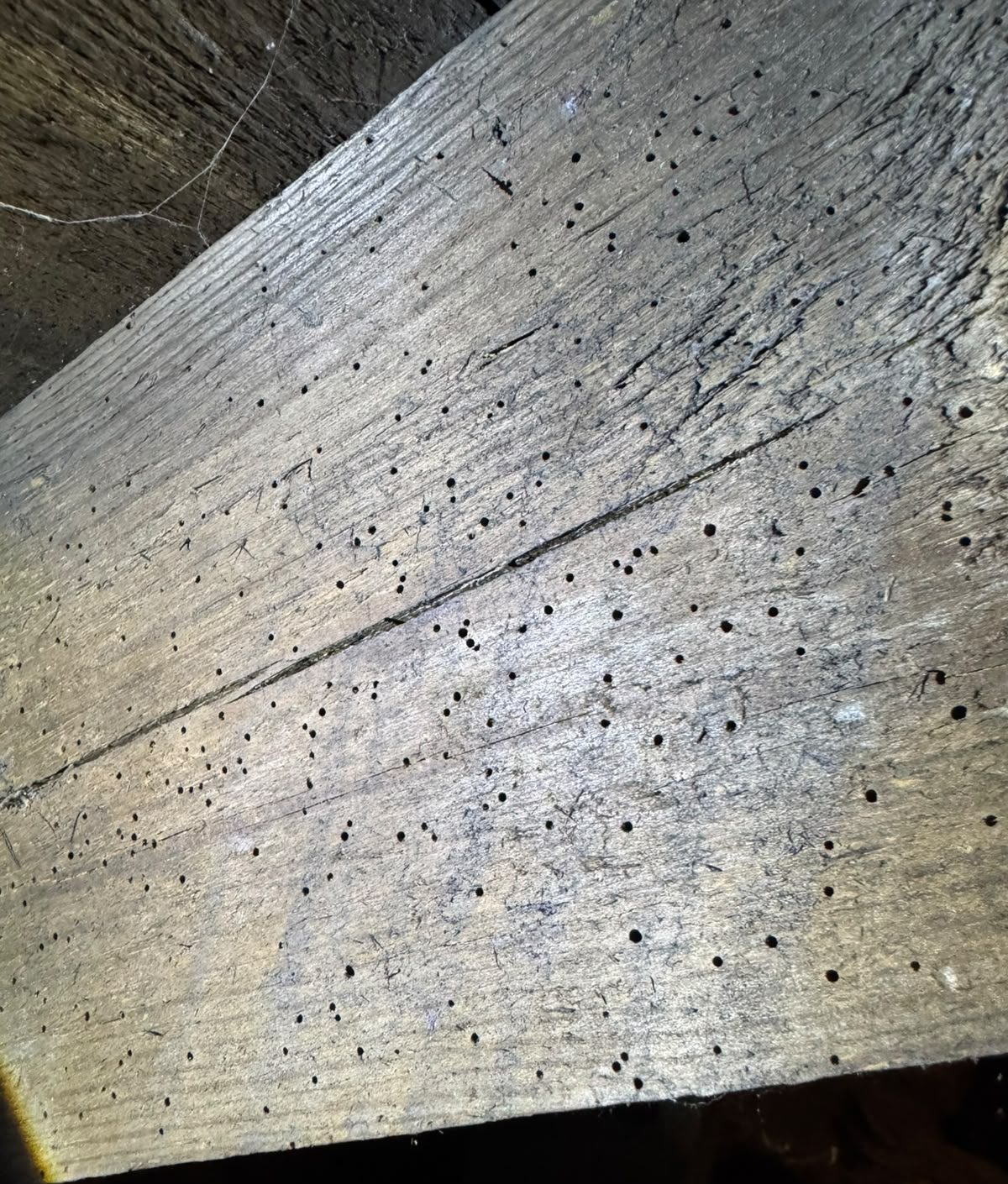
Dermestes beetles are frequently a secondary problem, feeding on bird fouling, old nests or a carcass in a void, which is why we look for the source. Common clothes moths damage wool carpets and stored textiles and need treatment of carpet edges, wardrobes and storage as a whole rather than spot treatment.
Residential versus commercial
Domestic work is a single treatment with aftercare advice in most cases. Commercial premises, pubs, restaurants, takeaways, shops, warehouses and construction sites, get documented treatment and, where useful, monitoring and monthly routine cover.
Coverage
Glasgow and roughly a 20-mile radius, including Paisley, East Kilbride, Hamilton, Motherwell, Coatbridge, Cumbernauld, Clydebank and Bearsden.
How we work on every job
- Rapid attendance for wasp nests, treated at the nest rather than the symptoms
- Species identified before treatment so the right product is used
- Safe working at height with IPAF, CSCS and SSSTS accredited operatives
- Source of beetle and moth problems traced and dealt with
- Clear aftercare advice so you know what to expect after treatment
Insect Control in your area
We cover Glasgow and roughly a 20-mile radius, including Glasgow, Hamilton, Bearsden. See every town on our service areas page, or read more about Titan Pest Control.
Insect Control FAQs
How much does wasp nest removal cost in Glasgow?
Cost depends on the position of the nest and the access required, a loft nest and a nest at third-floor roof level are different jobs. You get a clear price before any treatment starts.
How soon can a wasp nest be treated?
Usually the same day in season, wherever the diary allows. The phone is answered 24/7. Do not block or spray the nest yourself in the meantime; it makes the wasps far more aggressive.
How long until the wasps are gone?
Activity normally drops within hours and stops over the following day or two as returning foragers carry the treatment into the nest. A short burst of increased activity straight after treatment is expected.
Will the nest be removed as well as treated?
Where the nest is accessible and removal is sensible, yes. In some positions, a sealed cavity, for example, removal would cause more damage than leaving the treated nest in place, and we will tell you which applies.
Do wasps reuse an old nest?
No, a nest is not reused, but the same location often is because it suited them. Proofing the gap after treatment is what prevents a new nest next season.
What do I need to do before a flea treatment?
You get a short written preparation list when you book: vacuuming, hot-washing bedding and clearing floor access. Following it closely is the single biggest factor in the treatment working first time.
Why do I still see fleas a few days after treatment?
Flea pupae are protected and hatch over the following days into the treated area. Some activity shortly after treatment is normal and expected; persistent activity beyond that is not, and we will return.
Can you treat clothes moths in a whole house?
Yes. Moth work covers carpet edges, wardrobes, storage and any wool textiles, because treating one wardrobe leaves the rest of the population in place.
Do you treat insect problems in commercial premises?
Yes, for pubs, restaurants, takeaways, shops, offices, warehouses and construction sites, with documented treatment and routine cover available.
Get the nest treated and the infestation cleared this week
Tell us what you have seen and where, and we will attend the same day wherever the diary allows. Answered 24/7.
Phone answered around the clock · Glasgow and roughly a 20-mile radius · fully insured, accredited technicians.
Related services
Ant Control
Killing the ants on the worktop changes nothing, the colony keeps producing. We follow the trail back to the nest, treat it at source and close the route into your property.
View serviceBedbug Control
Unmarked arrival, a full room-by-room treatment and a written preparation list so the job works first time, because a half-treated bedbug problem spreads through the building.
View serviceCockroach Control
German and Oriental cockroach programmes that clear the infestation, stand up to environmental health scrutiny, and are run around your trading hours instead of across them.
View serviceLooking for something else? See all 9 services or contact Titan Pest Control.